
The Science of Visual Storytelling
Words & Pictures
Work Better Together
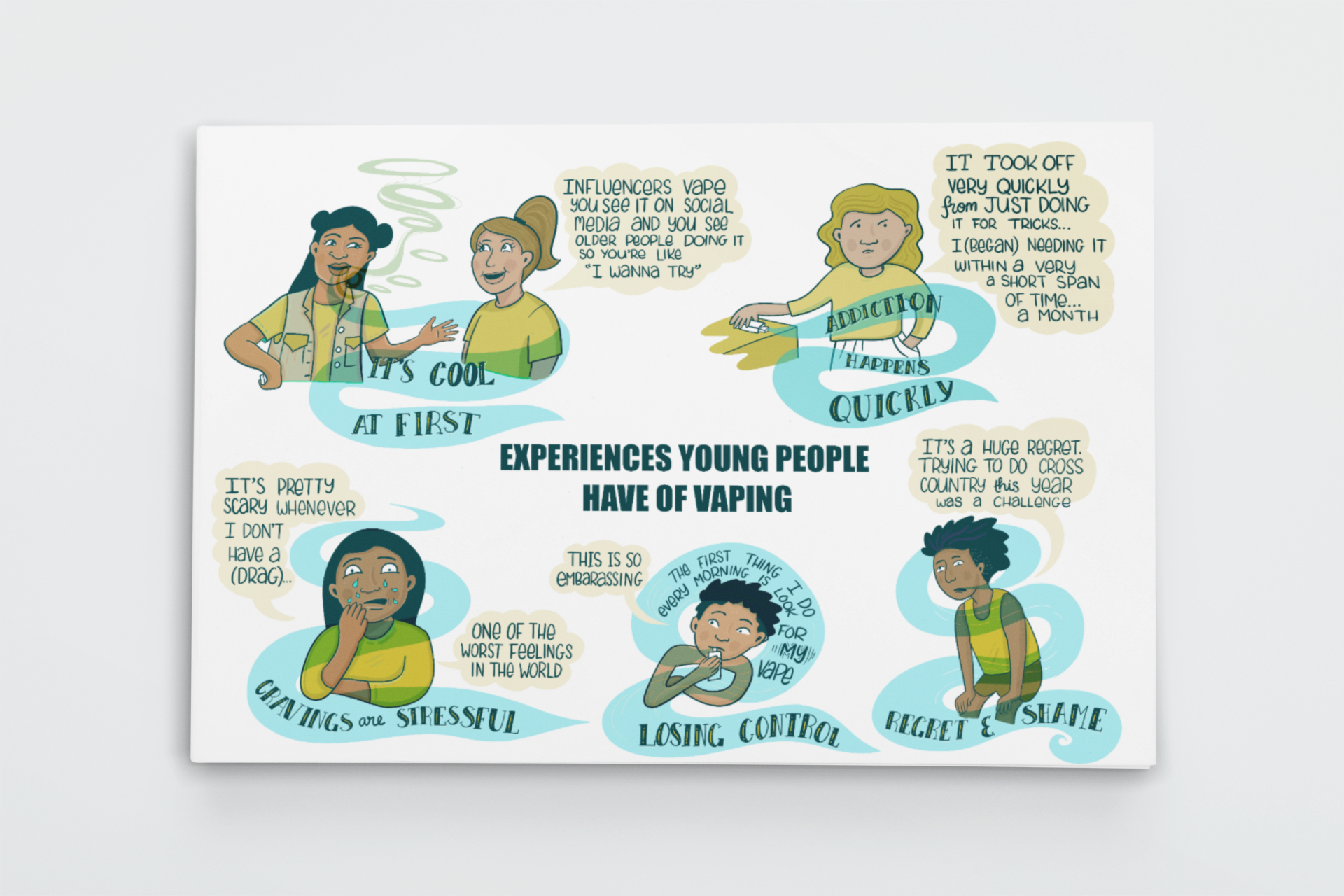
When people receive information as both words and pictures, they tend to understand it more deeply and remember it for longer.
Research in multimedia learning and dual coding shows that visual and verbal information are processed through separate but connected systems - and that engaging both together strengthens understanding and recall.
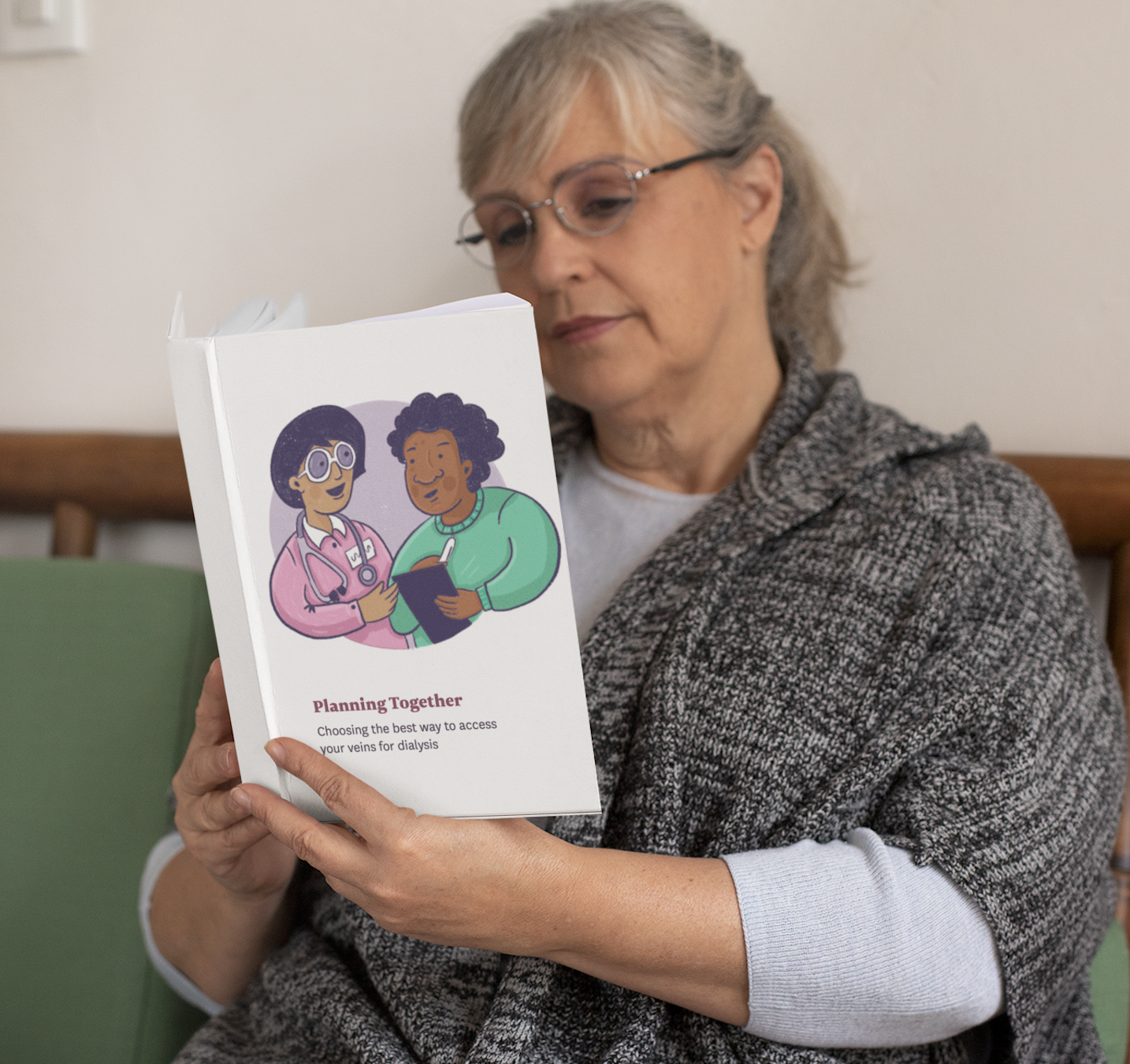
“There is nothing like this, ... this is visually stimulating and takes away the worried and scaredness.”
Pictures are
Hard Workers
Visual communication is not decoration. Pictures carry meaning. Research shows they can reduce cognitive load, and provide a more direct path to information, helping people process complex ideas more efficiently. They support people to see patterns, understand relationships, and make sense of complexity. In practice, this leads to clearer communication and more informed decisions.
Research Reaches Further
when Visualised
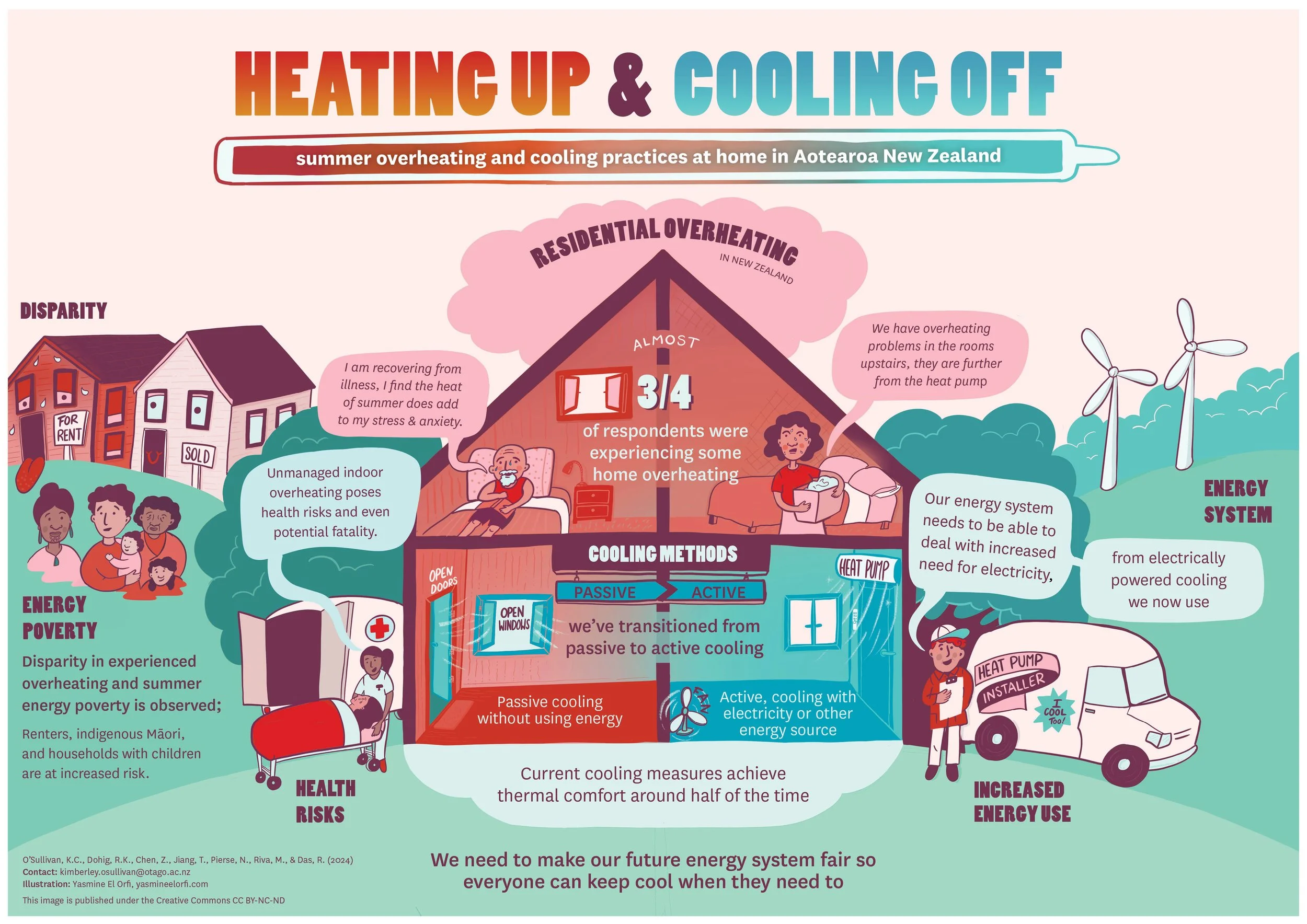
Visual abstracts are a good example of this in practice. Research shows that articles shared on social media with a visual abstract receive significantly more impressions, retweets, and article visits than those shared without one.
Scientific journals are increasingly using visual abstracts to share and promote research.
“Having a graphical abstract designed is helping to convey both the findings and the implications of our research. This was quite exploratory social research and there is a lot to describe in text. The image distils a lot of information and draws viewers in, with the different elements working together to explain the key ideas from the research results. I’ve shown it to a wide age range of people and there is something here for everyone to learn and understand from.”