
About
Kia ora,
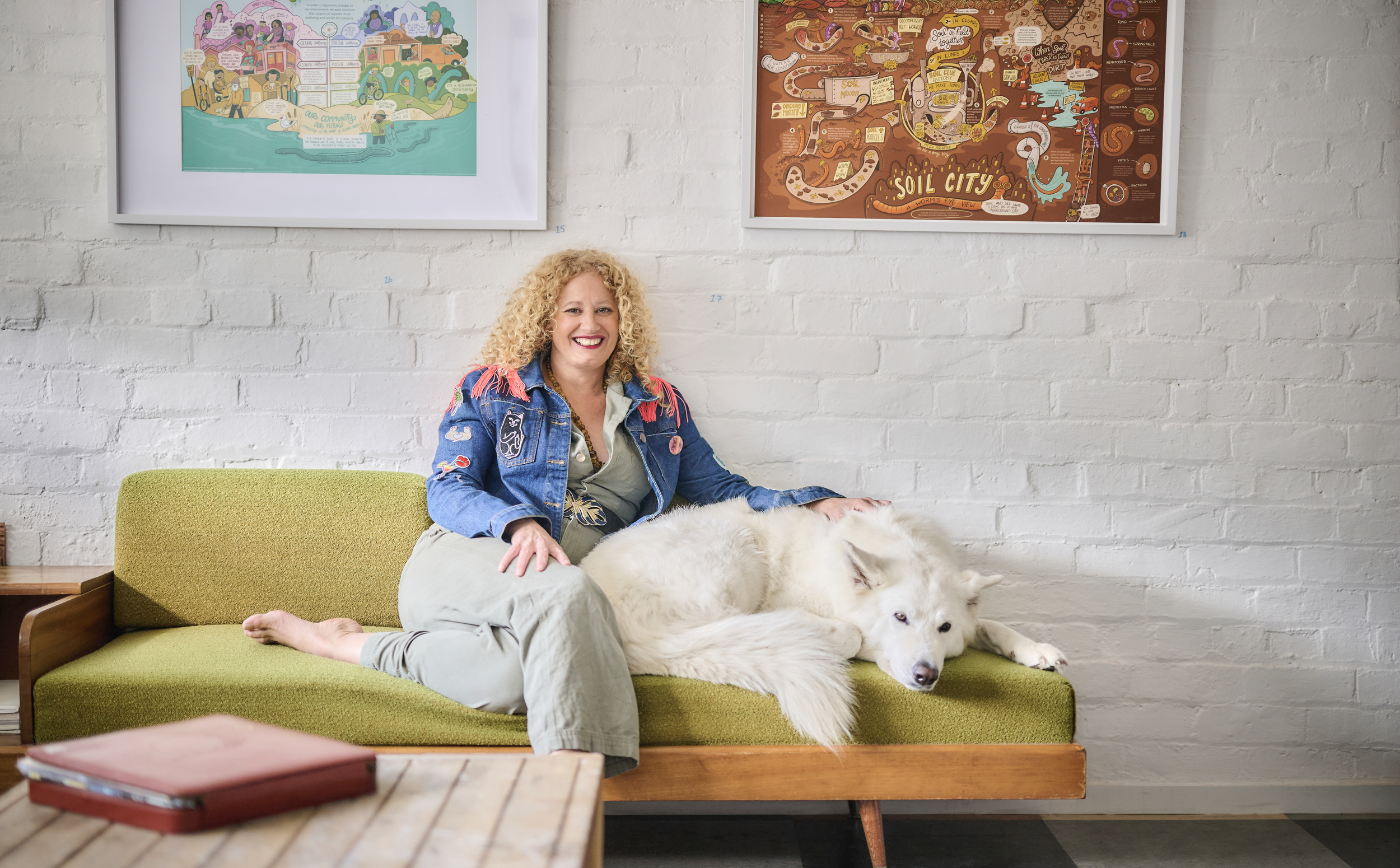
I'm Yasmine.
I use visual storytelling, design, and creative thinking to help people make sense of complex work.
People usually come to me when they have work that is important, but hard to explain. There might be a lot of research, a lot of moving parts, or a lot of people who need to understand the same thing in different ways. My role is to help make sense of it, shape the visual story, and turn it into something people can engage with and act on.
Often the best way to do that is to make people feel something before they think something - through humour, play, empathy, and visual storytelling.
I'm Bedouin / Pākehā, raised in North Africa and Aotearoa, and based in Te Whanganui-a-Tara. I speak Arabic and te reo Māori, and I bring that cross-cultural instinct to everything I do.
A founding member of the League of Live Illustrators, working regularly as a live illustrator - drawing ideas and conversations with communities in real time as they unfold.
How I Work
Understand
I start by understanding the problem we are here to solve. That usually begins with making sense of the material, asking really good questions, identifying what matters most, and developing a creative concept that will guide the work.
Our brains look for patterns and structure before they can make sense of information. This stage is about creating that structure so the key ideas are clear and easy to follow.
This might involve structuring information, understanding the audience, or working through complex research to find the thread that holds the story together.
Engage
Once the structure is clear, I bring it to life through illustration, metaphor, colour, humour, and visual storytelling.
This is where the work becomes human. People connect with ideas when they can recognise themselves in them, when the work reflects real experiences, real places, and real emotions. Warmth matters here, in the colours, the tone, the expressions, and the small details that make something feel familiar and safe to approach.
Things like empathy, humour, warmth, visual storytelling, and real-world context help turn abstract concepts into something people can relate to, trust, and care about.
Making the work feel real and meaningful to the people it is for.
Activate
The final step is getting the work into the world and into use.
Understanding is only useful if people can act on it. When ideas are clear and memorable, people are more likely to talk about them, share them, and make decisions.
This might mean illustration that brings ideas to life, games that get people working together, presentations that capture attention, or reports that help people make decisions, depending on what the work needs.